
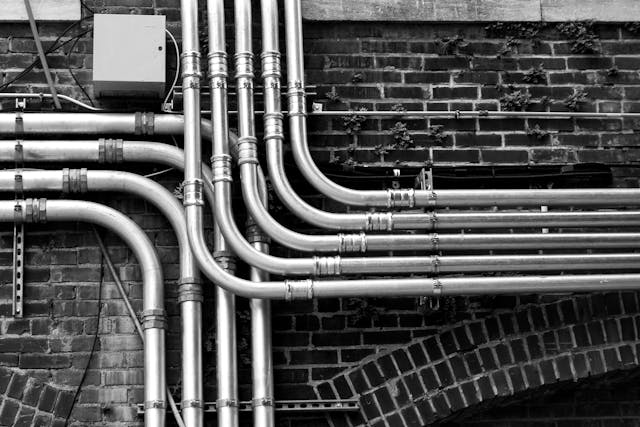
One of the most important infrastructural components in any modern community is water distribution pipelines. They are the unseen network that transports clean, safe drinking water from storage facilities and treatment plants to residences, businesses, schools, hospitals, and every other location in a community. Public health, economic activity, and quality of life are all significantly impacted when this infrastructure isn’t operating consistently.
From the large metropolitan networks that serve Sydney, Melbourne, and Brisbane to the smaller systems that service regional towns, mining villages, and agricultural areas, Australia’s water distribution systems differ greatly in size and complexity. Although every system has different operational objectives, maintenance needs, and engineering difficulties, they all have the same basic objective of providing clean, safe water on demand.
The Design and Construction of Distribution Water Pipelines
Distribution water pipelines are engineering systems that have to strike a balance between conflicting demands, such as sufficient pressure and flow at the point of use, minimising water loss through leaks, the durability of the pipe materials in the soil and operating conditions they encounter, and cost-effectiveness throughout the asset’s entire lifecycle. During the design phase, hydraulic modelling is often used to simulate network performance under various demand scenarios.
Over time, the materials used in water distribution pipelines have changed dramatically. Many Australian cities still have cast iron mains from decades ago, but more recent installations typically utilise ductile iron, PVC, polyethylene, or glass-reinforced plastic, each of which offers a unique mix of strength, flexibility, corrosion resistance, and affordability.
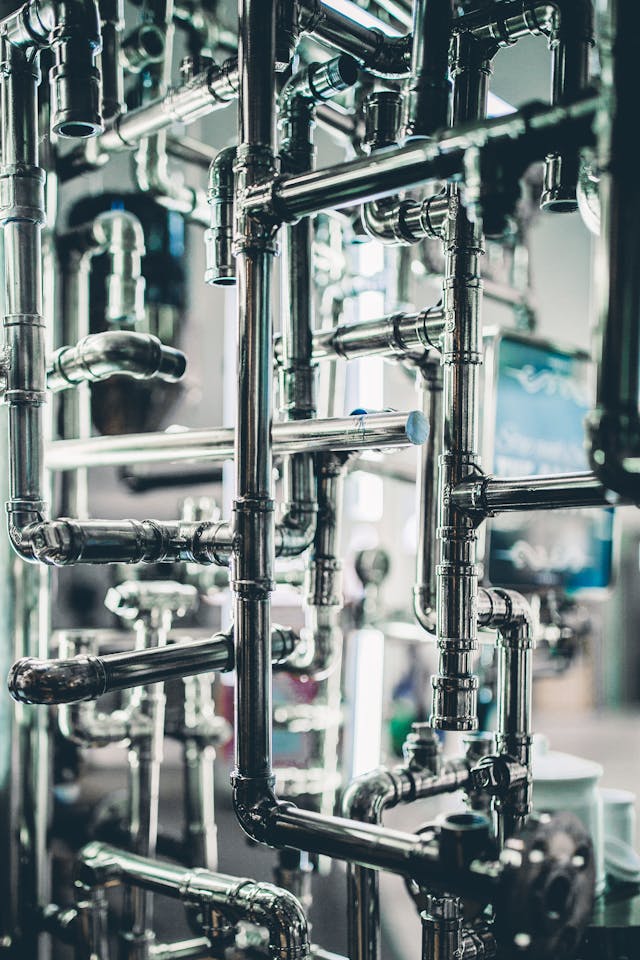
Upkeep and Administration of Water Distribution Systems
A significant continuing commitment is required to maintain the thousands of km of pipeline that comprise a big water distribution network. To find and locate system losses, leak detection methods use pressure analysis, acoustic detection devices, and monitoring data. Even little leaks can be a warning of more major pipe failures and represent substantial amounts of treated water lost over time.
Asset management programs monitor pipeline assets’ age, performance, and condition throughout the network, giving replacement or rehabilitation of sections that are most at risk of failure or are disproportionately causing system losses priority. Older mains can be lined to greatly increase their usable life without the inconvenience and expense of a complete replacement.
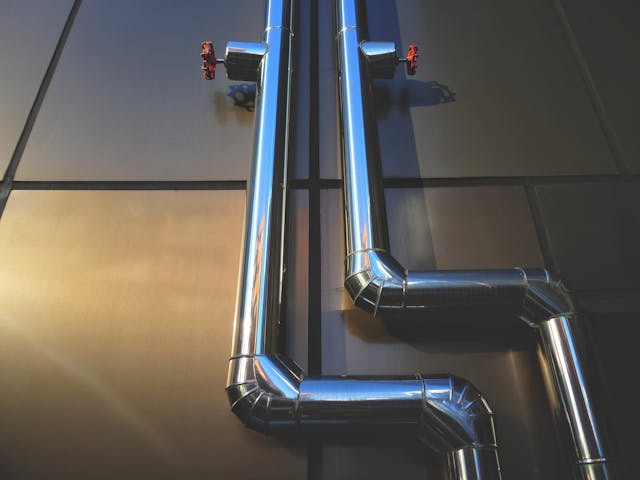
Australia’s Water Distribution Infrastructure’s Future
In the upcoming decades, Australia’s water distribution infrastructure will require large investments as ageing assets near the end of their useful lives and population growth increases the need for network expansion. Water planning is also changing as a result of climate change, necessitating more adaptability and resilience in distribution networks to handle dry spells and the growing unpredictability of rainfall patterns.
The way water utilities run their distribution networks is changing thanks to smart water technology, which includes sophisticated metering infrastructure and real-time network monitoring tools. Improved customer service, more accurate demand management, and quicker reaction to leaks and malfunctions are all made possible by better data. The Australian water sector is investing in these technologies to create networks that are more dependable, effective, and resilient.