

Physiotherapy has become an important service for many Australians as more people learn about how to avoid injuries, manage chronic pain, and get help with mobility. People in places like Greensborough are seeing physiotherapists not just to heal from injuries, but also to stay healthy, move better, and get exercise therapy that is right for them.
Physiotherapy is a hands-on way to help with sports injuries, recovery from surgery, or long-term conditions like arthritis or back pain. Local clinics in Greensborough are meeting this need by offering more than just basic care. They offer personalised care plans and prevention strategies to help people live healthier, more active lives.
Why Physiotherapy Services Are Important in Greensborough
As the population grows and people spend more time sitting down, the need for effective rehabilitation and movement-based therapies is greater than ever, physiotherapy greensborough clinics offer a wide range of treatments, including clinical Pilates, dry needling, and personalised exercise programs. Professionals who have been trained to look at, diagnose, and treat movement-related problems with a long-term view provide these services.
One of the best things about seeing a local physiotherapist is how easy and consistent the care is. People in Greensborough don’t have to go far for treatment; they can get expert help close to home. This makes it possible to have regular appointments, get more consistent results, and build a stronger relationship with your therapist. Many clinics in the area also work with GPs, specialists, and other health professionals to give patients complete care.
Physiotherapists help people of all ages and backgrounds with things like recovering from a sprain, fixing posture problems, or dealing with chronic joint pain. Their individualised approach makes sure that each patient gets care that is right for their health, goals, and way of life.

Local physiotherapists often treat these conditions:
Greensborough physiotherapists are trained to help with many different problems. People often use manual therapy, joint mobilisation, and targeted rehabilitation exercises to treat sports injuries like ligament strains, muscle tears, and tendonitis. Not only do these methods treat the injury right away, but they also make the muscles around it stronger so that it doesn’t happen again.
People often go to physiotherapy for back and neck pain, which can be caused by bad posture, sitting for long periods of time, or doing the same thing over and over again. Therapists help relieve pain and improve spinal health by giving advice on how to stretch, strengthen, and use your body correctly.
Another important area of focus is rehabilitation after surgery. Structured programs that help patients heal safely and slowly are helpful for those who have had knee or hip replacements, spinal surgeries, or shoulder surgeries. These programs usually have hands-on treatments and closely watched exercises that help people get better and get their movement back.
Physiotherapists also help with neurological conditions, women’s health issues, and problems with balance or coordination, especially in older adults. Their whole-person approach not only eases pain but also helps patients feel more confident in their ability to move.
What to Expect When You Go to Physiotherapy
Usually, the first thing that happens in physiotherapy is a full evaluation. This includes talking about your symptoms, medical history, daily activities, and any injuries you’ve had in the past. The physiotherapist will then do physical tests to find out how strong, flexible, and mobile you are and to find any areas that aren’t working properly.
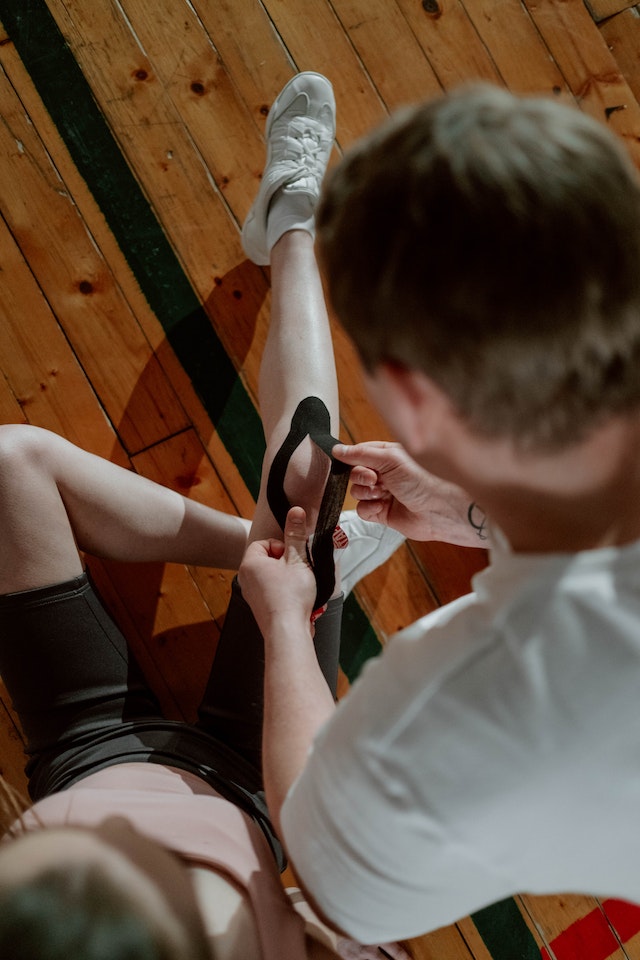
A treatment plan is made based on what was found. This could involve manual therapy, massage, joint manipulation, taping, dry needling, or a structured exercise program. Most importantly, physiotherapists give their clients the knowledge they need to understand their condition, how to handle symptoms, and what movements or habits to stay away from. Follow-up sessions keep track of progress and change the treatment plan as needed. Clients usually start to feel better after just a few sessions, especially if they stick to the home exercises that their therapist gives them.